Systems-Theoretic Learning
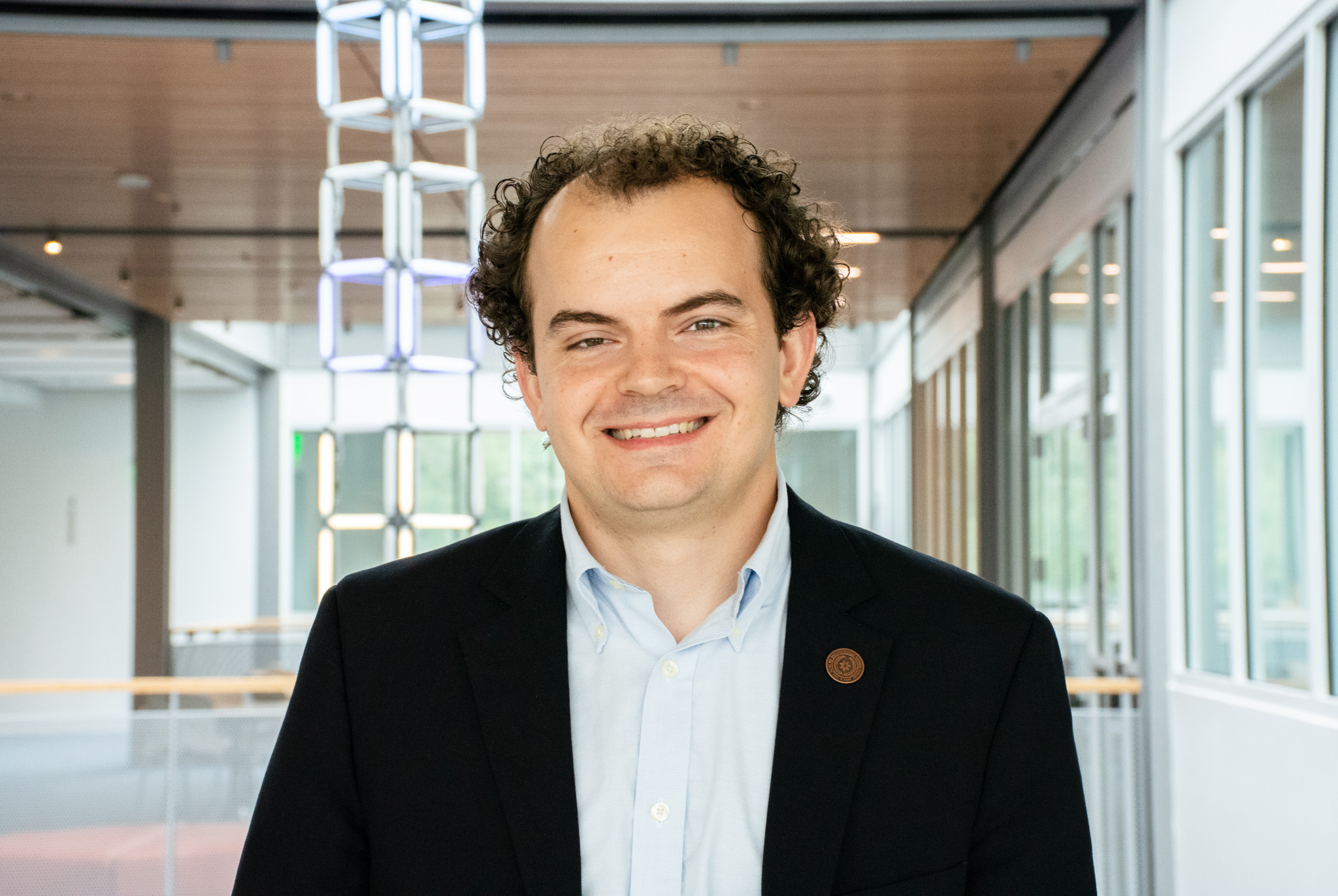 Tyler Cody
UVA Data Science
Time: 2026-10-21, 12:00 - 13:00 ET
Location: Rice 540 and Zoom
Abstract
Machine learning is commonly studied through the problems it solves, the algorithms that solve them, and the models they produce. Yet learning also has an inherent systems character, involving relationships among data, knowledge, objectives, and behavior that transcend particular algorithms or model architectures. This talk explores a systems-theoretic approach to learning grounded in abstract systems theory, in which learning systems are represented as mathematical objects independently of particular problem formulations or solution methods. This perspective provides a common foundation for understanding diverse learning paradigms, including transfer, multi-task, meta-, and online learning, while introducing opportunities to study learning through concepts such as system composition, dynamics, and reachability. Beyond its theoretical implications, this approach offers a foundation for systems engineering for AI, connecting the science of learning with fundamental engineering questions concerning the design, analysis, testability, resilience, and assurance of increasingly adaptive and autonomous AI systems.
Bio: Tyler Cody is an associate professor of data science at the University of Virginia, where he leads the AGI Lab within the School of Data Science. His foundational research concerns the philosophy and mathematics of learning, intelligence, and consciousness from a systems-theoretic lens. He also develops systems engineering and design frameworks and methods for applications of artificial intelligence.
Cody posits that abstract systems theory offers an advantageous means of considering learning without explicit reference to solution methods and, moreover, a way to stratify the assumptions underlying learning phenomena into appreciable levels of abstraction. The general systems nature of learning cannot be escaped; solution methods necessarily inherit it.
His current topical work includes space systems, scaling laws, and “AI tokens” (2025+). Previously, his applied research centered on cyber-physical systems with learning components (2018–2025). Rather than treating these as unrelated topics and application areas, he uses them to investigate recurring questions about change and reuse, lifecycles, and iterated games.