From Insights to Impact: How AI is (and isn’t) Shaping the Future of Public Health
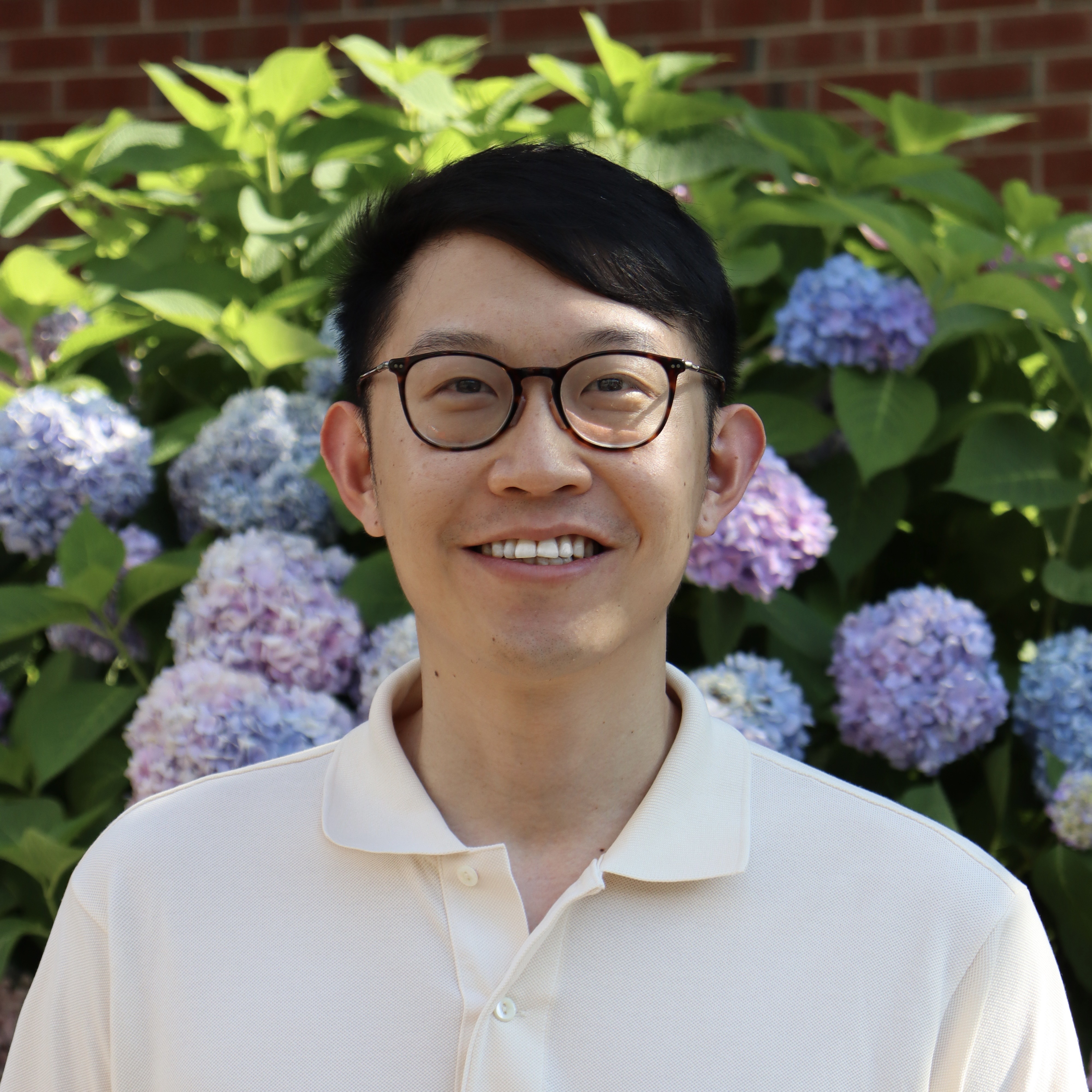 Hongru Du
UVA Systems and Information Engineering
Time: 2026-03-18, 12:00 - 13:00 ET
Location: Rice 540 and Zoom
Abstract This talk explores how artificial intelligence and systems engineering can help address some of the most pressing challenges in public health. From infectious disease threats to behavioral responses and information dynamics, public health systems increasingly require approaches that can capture complexity, adapt to uncertainty, and support timely decision-making. I will discuss a research agenda focused on developing AI-enabled and behavior-aware modeling frameworks to strengthen public health resilience and equity. This work spans infectious disease forecasting, human behavior modeling, vaccine decision-making, and misinformation, with the broader goal of understanding how population health outcomes emerge from the interaction of disease, behavior, and information. Across these areas, this talk highlights both the promise and the limitations of AI in public health, emphasizing the need for interpretable methods, human oversight, ethical responsibility, and interdisciplinary collaboration.
Bio: Hongru Du is an Assistant Professor in the Department of Systems and Information Engineering at the University of Virginia. His research integrates systems engineering, artificial intelligence, and public health to develop AI-driven and computational frameworks that support data-informed health decision-making. He focuses on modeling human–disease interactions and improving the resilience and efficiency of health systems. Dr. Du is a founding contributor to the Johns Hopkins University CSSE COVID-19 Dashboard, one of the world’s most widely used pandemic tracking tools. His infectious disease forecasting models have supported the U.S. Centers for Disease Control and Prevention in guiding national responses to COVID-19 and seasonal influenza outbreaks. He continues to advance computational methodologies that integrate human behavior into complex systems modeling, with the goal of improving preparedness and resilience to tackle broader societal challenges.